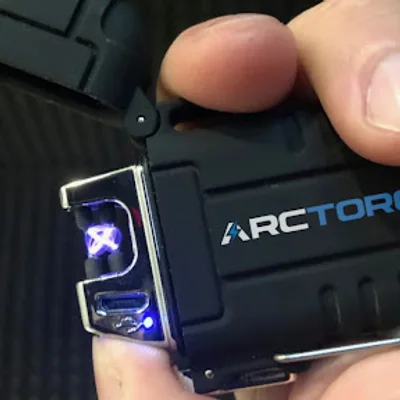
Soaked, Shivering and Out of Matches: The Night a Lighter at the Bottom of Eric’s Backpack Saved His Trip
You don’t need a blizzard to get into real trouble outdoors. You need wet clothes, a cold night and no way to make a fire.
Eric’s story is a dramatization based on situations hikers and campers run into every season. Eric is a composite character.
Ask anyone who has spent real time in the backcountry what scares them, and it usually isn’t bears. It’s getting wet and cold with the sun going down.
It happens faster than people expect, and in milder weather than people expect. A slip at a creek crossing, an afternoon storm that wasn’t in the forecast, a wrong turn that adds three hours. Suddenly the one thing standing between you and a miserable, dangerous night is whether you can get a fire going.
Very few pack one that still works after a swim.
The Creek Crossing
Eric has spent most of his weekends for twenty years with a pack on his back. He isn’t reckless. He checks the weather, tells someone where he’s going and carries more gear than he needs.
The trip was supposed to be easy: six miles in, one night, six miles out. The sky was clear when he left the trailhead. By four o’clock it was pouring, and the little creek he’d planned to hop across on stones was running fast and high.
Halfway across, a rock rolled under his boot. He went in up to his chest, and his pack went in with him.
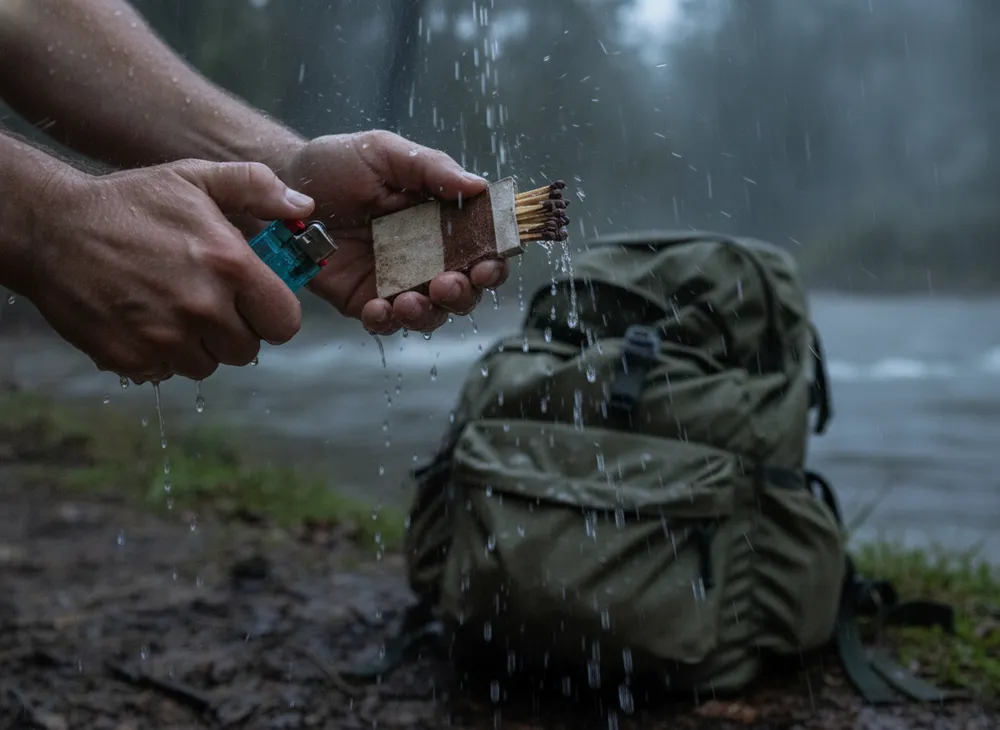
He made it to his campsite soaked through. The matches in his hip pocket had turned to paste. His butane lighter threw sparks, but with numb fingers, wet fuel and the temperature falling, it would not hold a flame long enough to light anything.
- 2:30 PM · TrailheadClear skies. Six miles to camp.
- 4:10 PM · The creekRain, high water, one bad step. Eric and his pack go in.
SoakedPack underwater - 5:15 PM · CampMatches ruined. Butane lighter sparks, won’t catch.
No fire - 6:40 PM · Sundown38°F and dropping. One small, damp blanket. Shivering hard.
Hypothermia risk
What Was at the Bottom of the Pack
Eric was digging through his pack for anything dry when his fingers closed around something small and hard at the very bottom. He knew what it was before he pulled it out.
It was an ArcTorch, a rechargeable plasma lighter his sister had given him a year earlier. He’d tossed it in “just in case,” forgotten about it, and never once used it. It had been underwater in that creek right along with everything else.
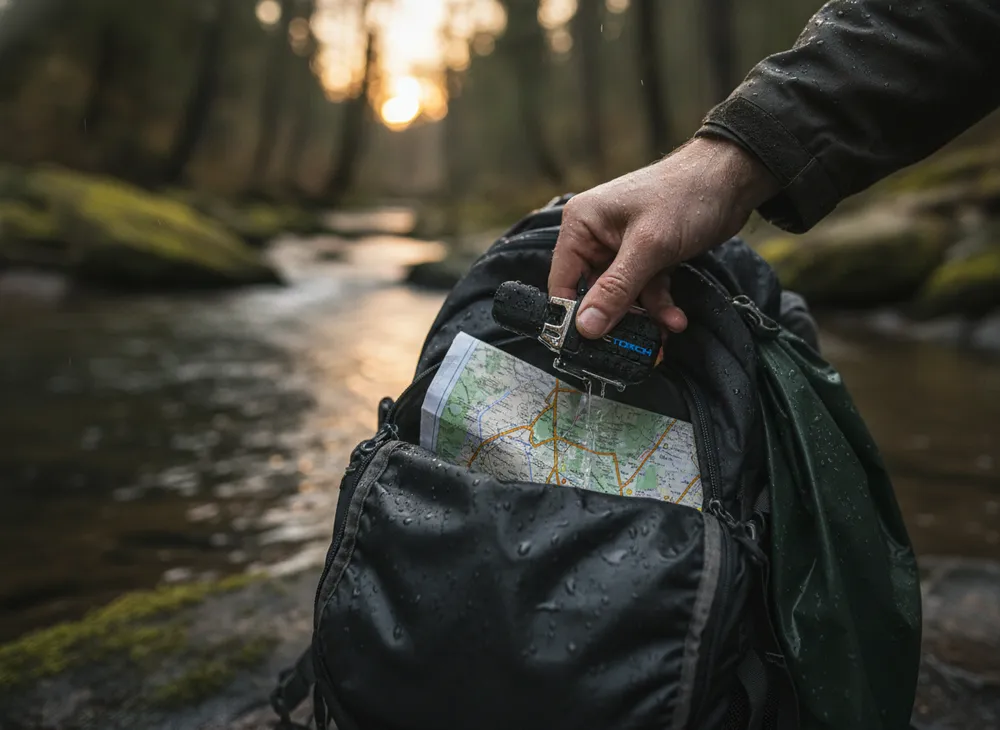
He shook the water off, flipped open the lid and pressed the button. A tiny violet X of electricity crackled across the top.
There’s no flame on an ArcTorch, which means there’s no flame for the wind to blow out and no fuel to get wet. You just touch the arc to your tinder. Eric found dry birch bark on a dead tree and a handful of pine needles from under a fallen log, held the arc against them and watched them catch.
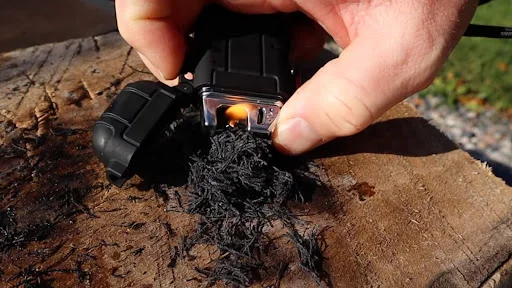
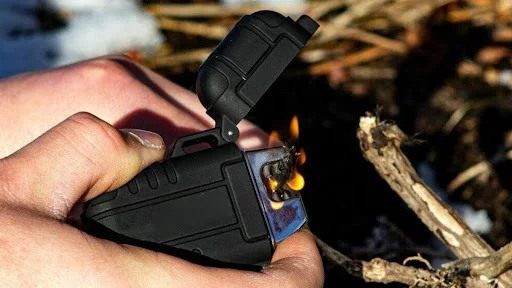
Real ArcTorch photos.
So He Threw It in the River
The next morning, warm, dry and slightly giddy, Eric did what anyone would do. He walked back down to the creek and dropped the ArcTorch in on purpose.
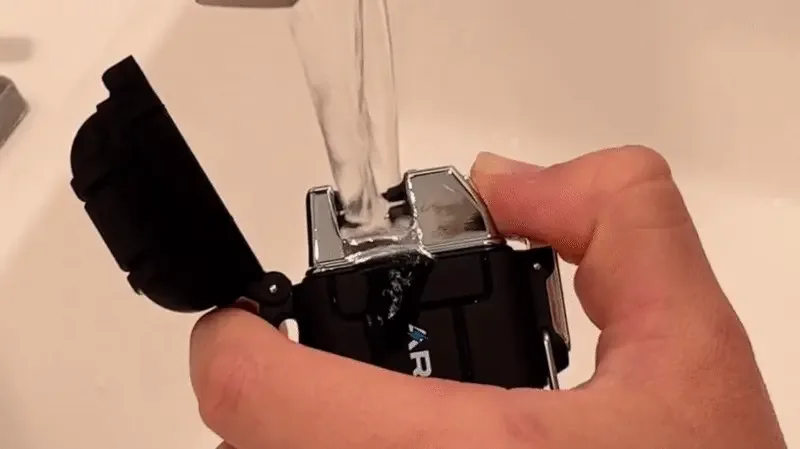
In the creek, out of the creek, still lighting.
He fished it out, shook it, flipped the lid and pressed the button. Same violet X, first try.
That’s what it’s built for. ArcTorch is waterproof and keeps working after being underwater for up to 30 minutes. It’s sealed in a rugged, zinc-alloy body with a locking lid, so it doesn’t pop open in your pocket.
The three things that ended Eric’s other ways of making fire.
Why It Now Lives in Every Bag He Owns
The part that gets people isn’t the river trick. It’s that the ArcTorch is so small and light you forget it’s there, which is exactly how it ended up at the bottom of Eric’s pack for a year, ready the one night he needed it.
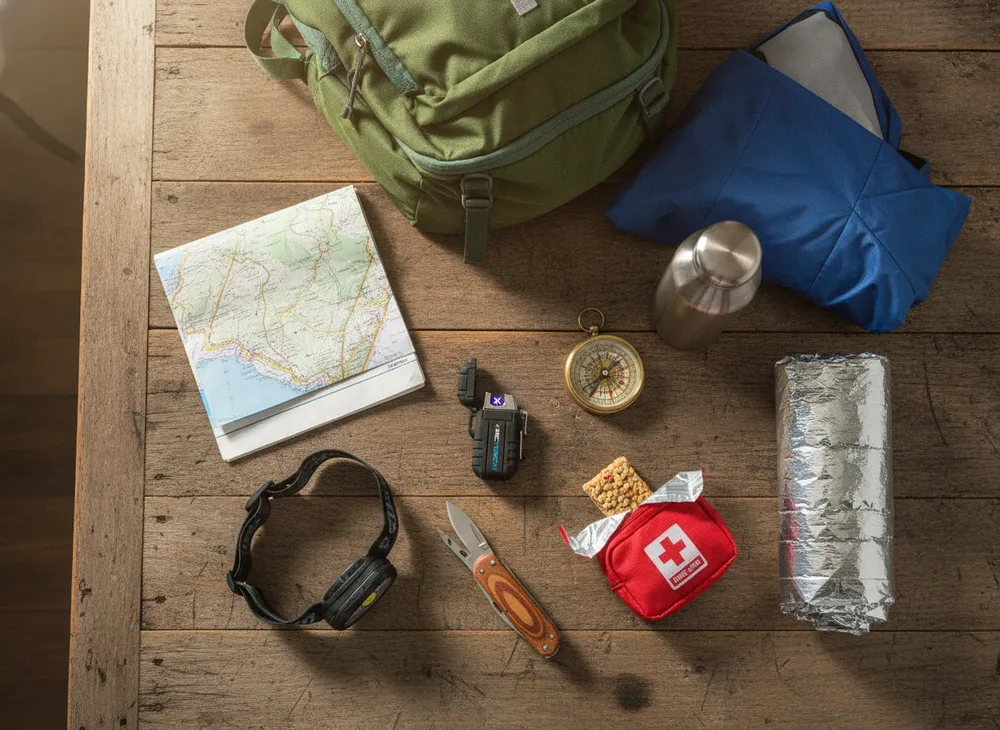
Experienced hikers carry more than one way to start a fire. A waterproof lighter that doesn’t rely on fuel makes a strong first choice, and a backup still makes sense.
Like any battery, it lasts longest in freezing weather if you carry it in an inside pocket. Top it up before every trip.
Check local fire restrictions before you go, keep fires small and attended, and drown them completely before you leave.
Okay, But Most Days Aren’t Survival Stories
Here’s the funny part. Since that night, Eric’s ArcTorch has lit exactly one campfire that really mattered, and a couple hundred things that didn’t.
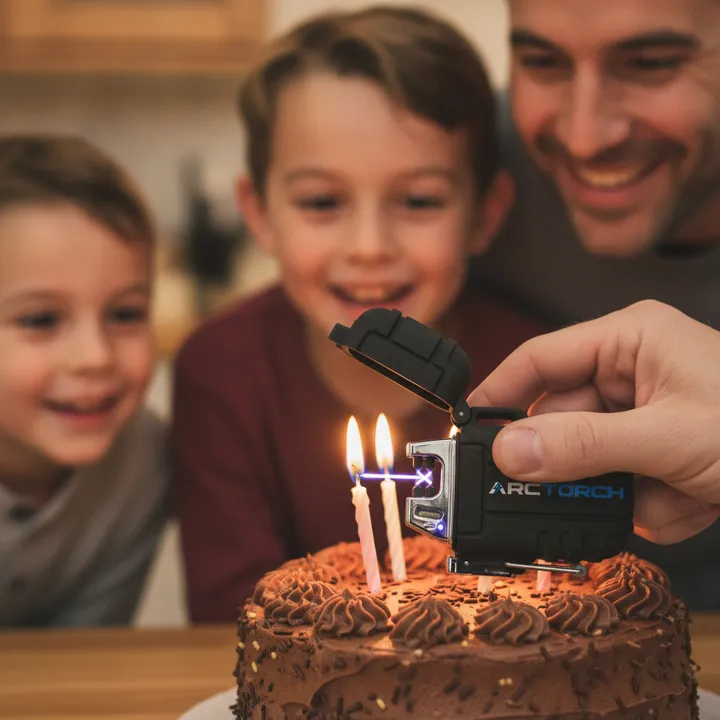
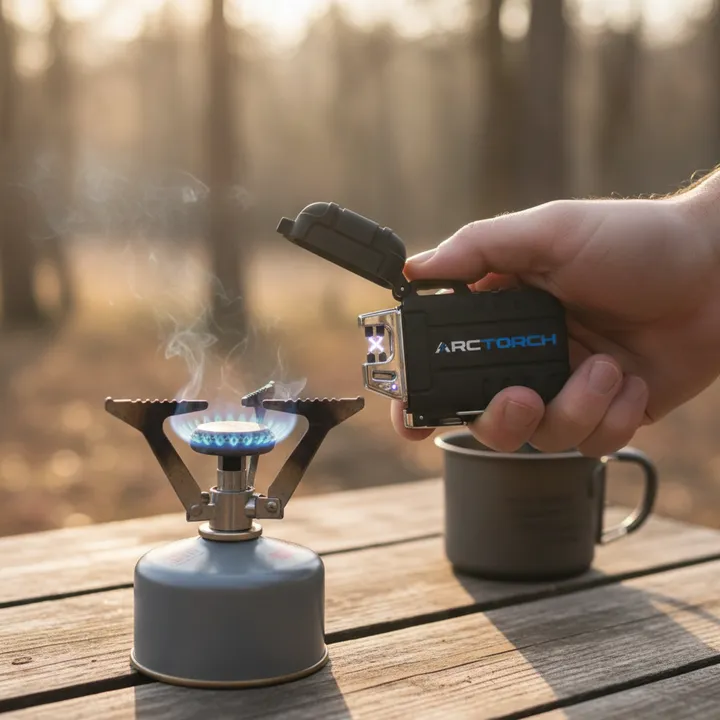
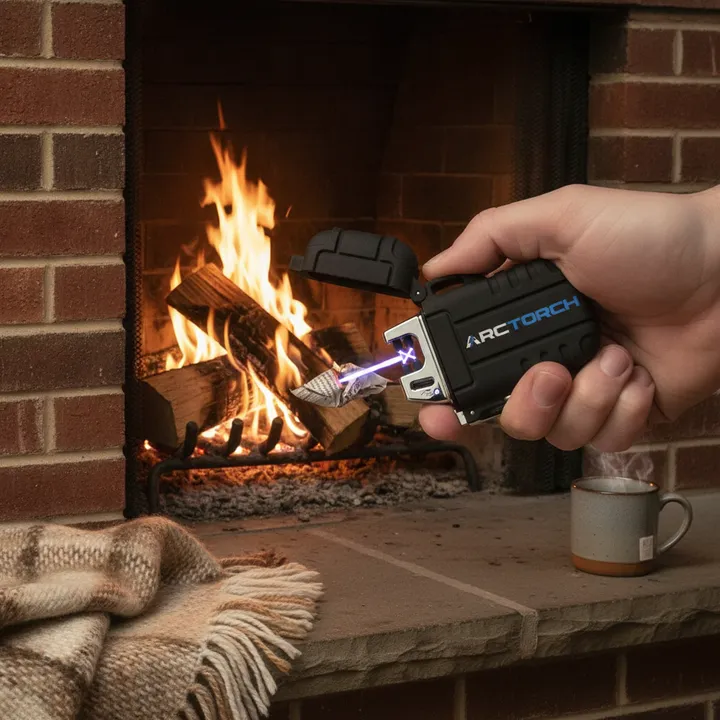
- 1campfire that actually saved the night
- 14candles on his daughter’s birthday cake (first try, all of them)
- 52Sunday cookouts on the grill
- ~80fireplace fires, most of them on purpose
- 3times his wife “borrowed” it for her candles and didn’t give it back
- 0butane refills bought
So now there are three of them in the house: one in his pack, one in the kitchen drawer and one his wife says is hers.
The Bottom Line
You’ll probably never have a night like Eric’s. But if you do, the difference between shivering in the dark and eating hot dogs by a fire is a 0.23-pound lighter that still works after a swim. And on every other night, it lights the candles. Toss one in your pack, your glovebox and your kitchen drawer, and stop thinking about it.
See today’s price on the next page.
Check Availability & PricingHow to Get an ArcTorch
- Tap the button below to check availability and today’s pricing.
- Enter your details on the secure checkout.
- When it arrives, give it a charge and drop it in your pack.